Industry research from RICS and the British Property Federation consistently lands on the same ratio: every £1 spent on preventative property maintenance prevents between £4 and £6 of reactive cost. Our own data lands at £4.80. Here's why — and what to do with that knowledge.
The arithmetic
Our average residential emergency callout in 2025 was £480 — that's just the labour and parts. Add in the things that don't show on the invoice:
- Lost rent during void periods caused by tenant complaints
- Reputational damage on rental platforms
- Compounding damage while you wait for someone available
- The "out-of-hours premium" we have to charge for weekends
Versus our average scheduled visit: £95. Same property, same job, but done in business hours on a planned date.
The cases we see most
Boiler. A £90 annual service catches a worn pressure relief valve. Left alone, the same valve fails 14 months later, mid-January, on a Saturday. Now it's a £450 emergency callout, no heating until Monday, one furious tenant, and we have to take parts from the next job to keep yours moving.
Gutters. A £130 annual clean catches a sagging bracket. Left alone, the bracket fails in November, the gutter dumps three years' worth of water down a wall, and you're looking at a £2,400 damp remediation in the rear bedroom plus a refused rent month from your tenants.
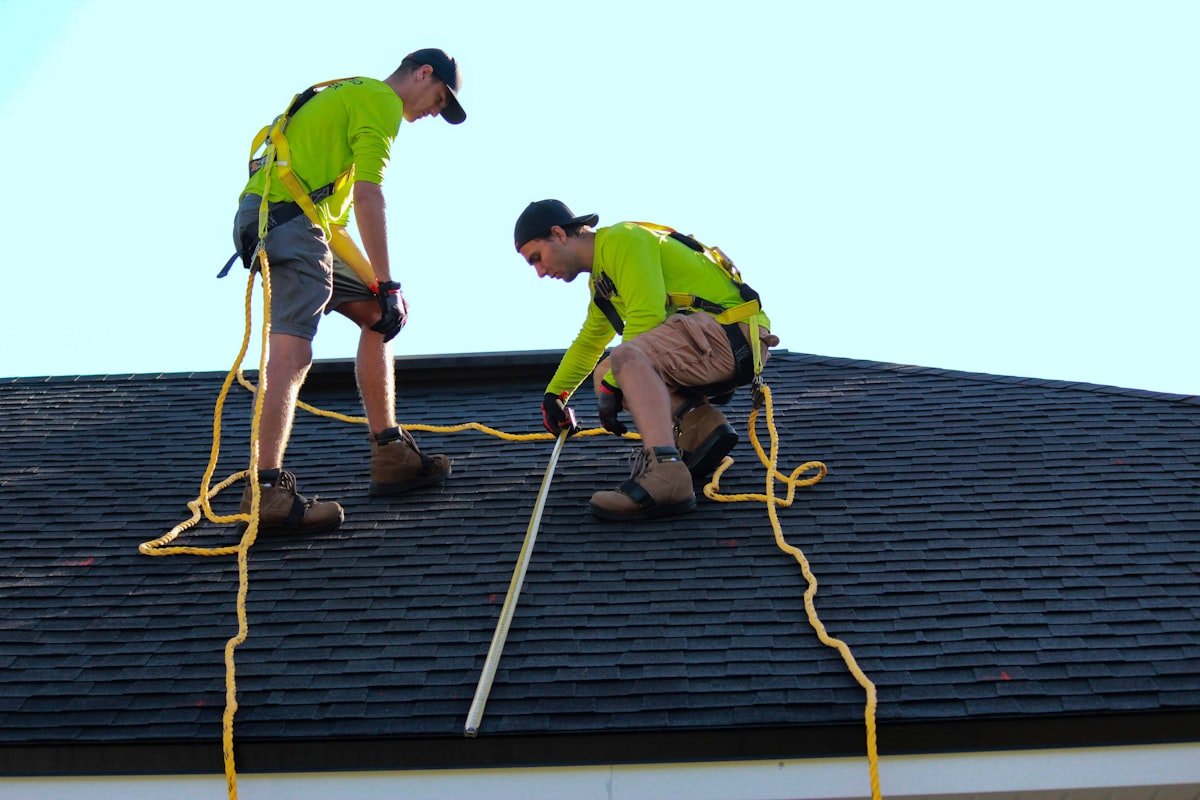
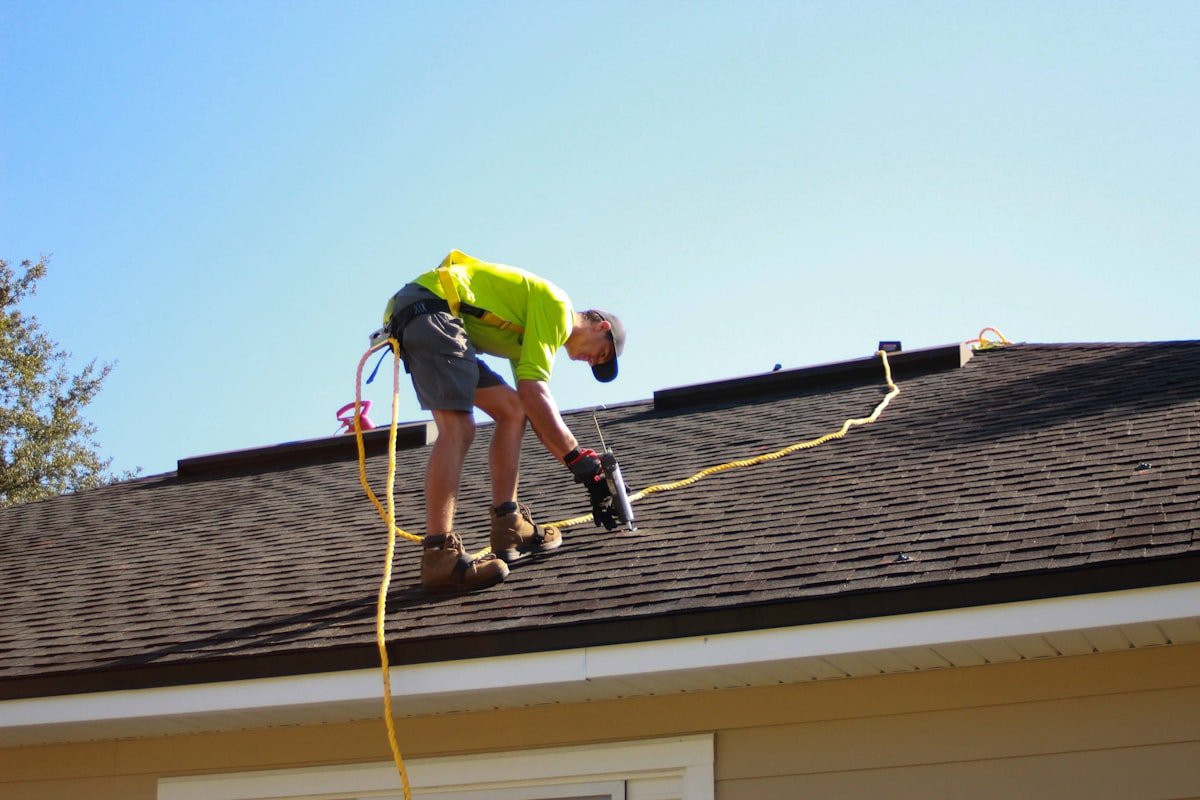
Roof. A £200 annual roof check spots two slipped slates. Left alone, the gap lets water in for six months, soaks the loft insulation, drips through a bedroom ceiling, and the eventual repair is £350 for the slates plus £900 for plaster and decorating plus a 3-week void while the room dries out.
Why most landlords skip it anyway
Three reasons, in our experience:
- Scheduling overhead. "I just don't have time to organise it." Real. We solve this by putting all scheduled work on autopilot — your visits land in your calendar without you doing anything.
- "It seems fine." Most preventable failures aren't visible from the street. They are visible from a ladder, but you don't have a ladder.
- Sunk-cost framing. Spending £200 on something that isn't broken feels worse than spending £480 on something that is — even though the £200 was the right call. Behavioural economists call this "loss aversion".
The minimum viable plan
If you only do four things a year, do these:
- Spring: gutters cleared, downpipes checked, roof visually inspected
- Summer: external paint check, window seals, garden boundary check
- Autumn: heating system service, hot water tank, smoke and CO alarms tested
- Winter: post-storm roof check, tenant communication on heating use
Total spend: roughly £400 per property per year. Average emergency cost avoided: £1,900. ROI: 4.75×.
Want to put this on autopilot?
Our Portfolio plan covers the four-visit minimum plus standard repairs from £199/property/month.